
led tall mirror
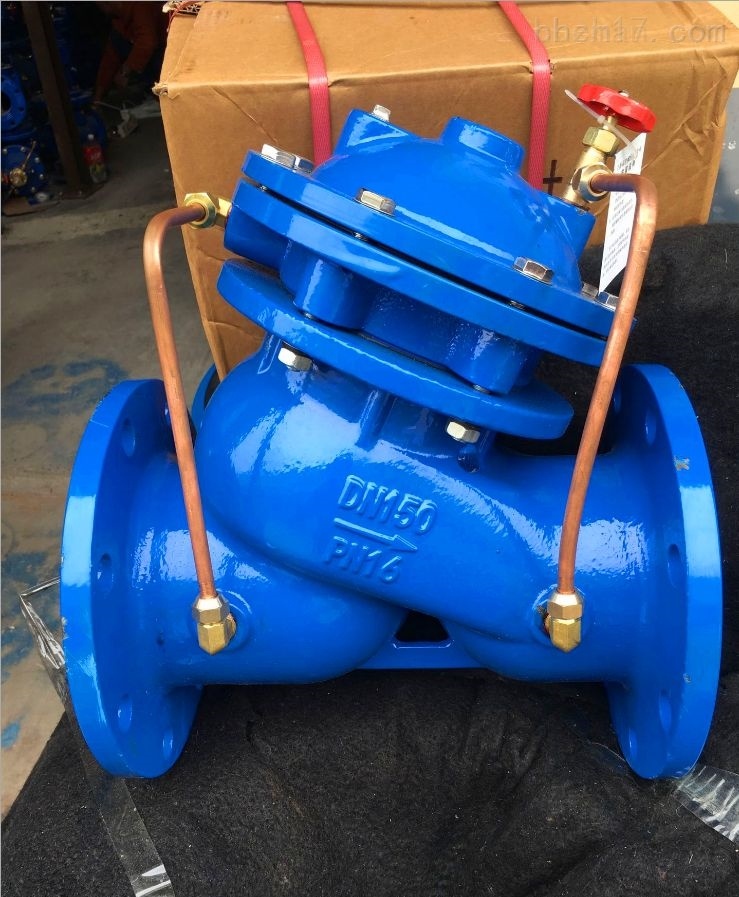
Understanding the 300% Butterfly Valve A Comprehensive Overview Butterfly valves are integral components in various industrial applications, primarily used to control the flow of fluids through pipes. They are characterized by their disc-shaped closure mechanism, which rotates to open or close the flow path. Among the various types of butterfly valves, the 300% butterfly valve stands out due to its enhanced capabilities and unique design. In this article, we will explore the significance, design features, applications, and benefits of the 300% butterfly valve. What is a Butterfly Valve? A butterfly valve is a quarter-turn valve that uses a rotating disc to regulate the flow of fluids in a pipeline. The disc is mounted on a shaft, which opens or closes the valve when turned a quarter turn. The primary function of this valve is to provide reliable flow control with minimal pressure drop, making it ideal for various applications, including water treatment, heating systems, and chemical processing. Characteristics of the 300% Butterfly Valve The term 300% in the context of butterfly valves refers to the valve's ability to regulate flow rates with a greater degree of accuracy and efficiency. This specific design offers several advantages over standard butterfly valves 1. Enhanced Flow Control The 300% butterfly valve is designed to offer three times the flow control range compared to conventional models. This means it can effectively manage a wider variety of flow rates, making it suitable for applications with fluctuating demands. 2. Durability and Reliability Constructed from high-grade materials, the 300% butterfly valve is built to withstand extreme conditions. This includes resistance to high pressure and temperature variations, ensuring long-term reliability in harsh environments. 3. Compact Design Typically, butterfly valves are more compact than other types of valves, such as globe or gate valves. The 300% design maintains this compactness while offering enhanced functionality, making it easier to install in tight spaces. 4. Easy Operation The valve requires only a quarter turn to operate fully, which simplifies the mechanism of opening and closing. This feature allows for faster responses in flow control applications. Applications of the 300% Butterfly Valve The 300% butterfly valve is utilized in various sectors due to its versatility and efficiency 300 butterfly valve - Water and Wastewater Management These valves are widely used in treatment plants to regulate the flow of water and wastewater, ensuring effective management of resources. - Oil and Gas Industry In petrochemical processing, 300% butterfly valves play a crucial role in controlling the flow of crude oil, natural gas, and other petrochemical products . - HVAC Systems Heating, ventilation, and air conditioning systems benefit from these valves for maintaining proper airflow and ensuring energy efficiency. - Chemical Processing The chemical industry relies on butterfly valves for their ability to handle aggressive fluids, facilitating safe and efficient processing. Benefits of Using 300% Butterfly Valves The advantages of adopting 300% butterfly valves extend beyond simple functionality 1. Cost-Efficiency The enhanced flow control and durability can lead to reduced maintenance costs and lower energy consumption, making it a cost-effective solution in the long run. 2. Improved Performance With its ability to handle a wider range of flow rates, the 300% butterfly valve can optimize processes, leading to higher performance and productivity. 3. Space-Saving Due to their compact design, they require less installation space, which is particularly advantageous in environments where space is at a premium. 4. Reduced Pressure Loss The streamlined design of the 300% butterfly valve helps minimize pressure loss across the valve, which is crucial in maintaining efficiency in fluid transport systems. Conclusion The 300% butterfly valve represents a significant advancement in valve technology, combining enhanced flow control with a durable, compact design suited for a variety of applications. Its versatility and reliability make it an essential component in industries ranging from water management to chemical processing. As industries continue to seek more efficient and reliable solutions, the 300% butterfly valve stands out as a favorable option for optimizing fluid control systems. Embracing this technology can lead to improved operational efficiency, reduced costs, and a more sustainable approach to resource management.
about
led tall mirror
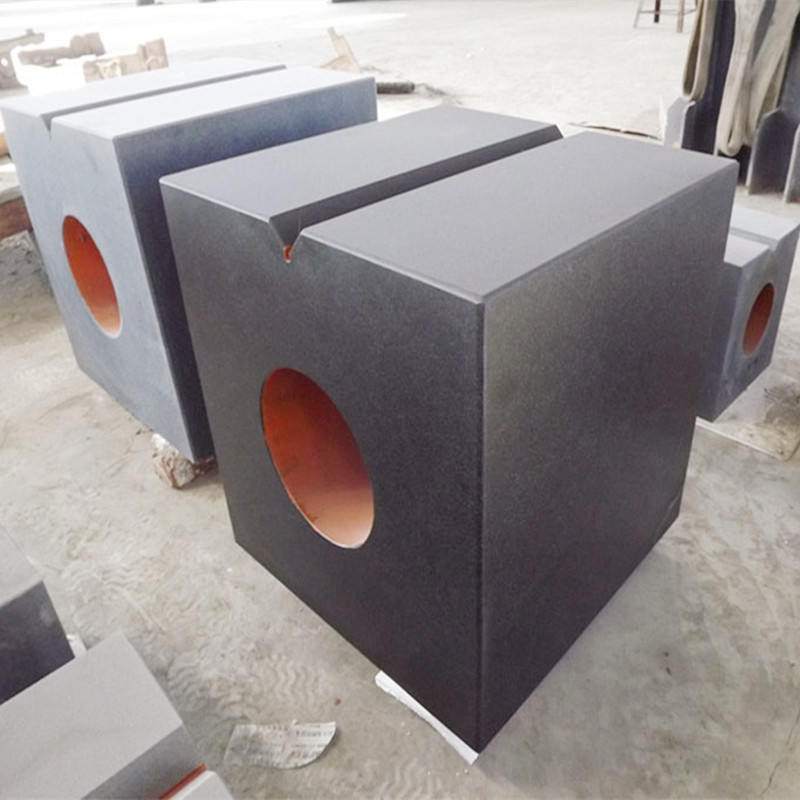
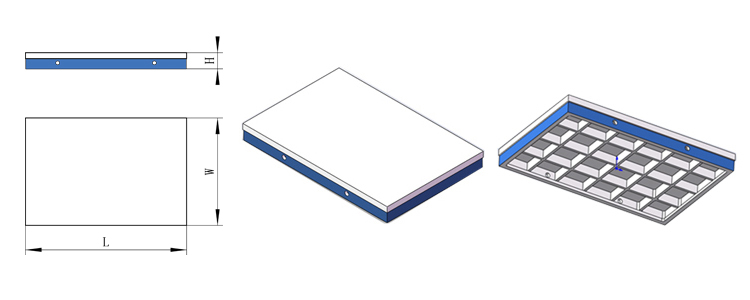
Understanding Precision Granite Surface Plates An Essential Tool for Quality Control In the realm of manufacturing and engineering, precision measurements are crucial for ensuring product quality and performance. Among the various tools used for these measurements, precision granite surface plates stand out as essential instruments that provide a flat, stable working surface ideal for various applications. This article delves into the significance of granite surface plates, their characteristics, applications, and maintenance practices. What is a Precision Granite Surface Plate? A precision granite surface plate is a flat, smooth slab made from natural granite, which is used as a reference plane for measuring, inspecting, and aligning various mechanical components. The surface of the plate is ground and lapped to achieve an extraordinary level of flatness—often within thousandths of an inch. This high degree of accuracy is vital in calibration and measurement tasks, making granite surface plates a preferred choice in laboratories and manufacturing settings. Characteristics of Granite Surface Plates Granite is favored for surface plates due to its inherent properties, which include 1. Stability Granite is a dense, hard material that does not warp or distort over time, ensuring long-lasting accuracy. 2. Non-conductive Unlike metal plates, granite does not conduct electricity, making it safer for use in various environments, including those involving electronic components. 3. Corrosion Resistance Granite is resistant to scratches, chemicals, and heat, which helps maintain the integrity of the measuring surface even in demanding conditions. 4. Self-Damping Properties The natural characteristics of granite help to damp vibrations, resulting in more stable measurements. These features contribute to the reliability and precision of measurements taken on granite surface plates . Applications of Precision Granite Surface Plates precision granite surface plate Granite surface plates are utilized in a wide array of applications, including - Inspection and Quality Control They provide a reference plane for inspecting machined parts to ensure they meet specified tolerances and dimensions. - CMM (Coordinate Measuring Machines) Surface plates are often used in conjunction with CMMs, providing a stable base for scanning and measuring components accurately. - Setup for Machining Operations Engineers and machinists use granite plates to set up workpieces and fixtures, ensuring that they are aligned correctly before production. - Assembly In assembly processes, granite plates serve as flat surfaces for accurately placing multiple components for assembly. Due to their versatility, granite surface plates find applications in diverse industries, including aerospace, automotive, electronics, and precision engineering. Maintenance of Granite Surface Plates To extend the lifespan and maintain the precision of granite surface plates, proper care is essential. Here are some key maintenance tips 1. Cleaning Regularly clean the surface with a soft cloth and a mild soap solution to remove dust and debris. Avoid abrasive cleaners that could scratch the surface. 2. Avoid Contaminants Keep the surface free from oils, grease, and substances that could alter the flatness and integrity of the granite. 3. Proper Handling Always lift and transport the surface plate by its edges using appropriate techniques to prevent any drops or impacts that could cause chipping or cracking. 4. Calibration Checks Periodically check the flatness of the plate using precision leveling devices to ensure it remains within specification. Conclusion Precision granite surface plates are invaluable tools in the domains of measurement and quality control. Their inherent properties afford accuracy, stability, and resilience that are paramount in high-stakes environments where precision is non-negotiable. By leveraging the benefits of granite surface plates and adhering to sound maintenance practices, manufacturers can significantly enhance their operational efficiency and product quality. As industries continue to evolve and demand greater precision, the role of granite surface plates will undoubtedly remain central to effective manufacturing practices.
-

High quality industrial productsagement

High quality industrial products
View Details -

Meet the diverse needs of customers

Meet the diverse needs of customers
View Details -

Strict quality control

Strict quality control
View Details -

Top raw materials

Top raw materials
View Details -

Trusted supplier

Trusted supplier
View Details
Our application

news and information
Versatile Snap Gauge with Adjustable Range for Precise Measurement in Various Applications
Understanding Adjustable Snap Gauge Ranges In the world of precision measurement, tools like the adj
Valve Manufacturing Techniques for Enhanced Efficiency and Quality Control
valve factory .

Y Shaped Strainer for Efficient Filtration and Fluid Management Solutions
Understanding Y-Shaped Strainers Essential Components in Fluid Systems In various industrial and com
 English